AI Product Updates
What is AICrier?
Live AI developer news, ranked and linked to original sources.
> ▌
UPDATE×
THURSDAY // 2026-11-19
60 itemsNOV 19

PT24M59S
// WATCH
Anthropic's Still Winning...
+1
Ben Davis

PT13M9S
// WATCH
Google Unleashes Gemini 4 Neon, Microsoft Drops 3 New Models, New RSI, Kling Reaches 8K...
+7
AI Revolution

PT8M7S
// WATCH
Gemini 4 Neon vs Carbon: Which One Should You Actually Use?
+1
DIY Smart Code

PT3M
// WATCH
Genie 4 Can Summon a Spaceship. Will It Stay There?
DIY Smart Code

PT28M16S
// WATCH
I'm gonna miss coding
Theo - t3․gg

PT9M50S
// WATCH
Claude Code Animations That Don't Look Generic (No Other Subs)
+1
Eric Michaud
PT12M51S
// WATCH
NVIDIA Finally Fixed Claude Skills By Releasing This
+2
AI LABS

PT2M58S
// WATCH
Gemini 4 Neon Is #3. Its Own Table Shows Where It Loses
+1
DIY Smart Code

PT39M32S
// WATCH
Can the Resolution Hypothesis Destroy AI?
+4
Discover AI

PT39M51S
// WATCH
Gemini 4 Neon Is INSANE – Is THIS Google's BEST Model Yet?
+1
Bijan Bowen

P0D
// WATCH
🚨🚨 Curl Rewrite to Rust - All Joy Gone 🚨🚨
+1
The PrimeTime

PT8M26S
// WATCH
Qwen4-Max vs Opus 5.5: 4x Cheaper Tokens, Same Bill
+2
DIY Smart Code

PT14M32S
// WATCH
GitHub Trending Weekly #60: rust-anything, trnrt, datacat, obscura, tamserve, zigzag, openwren
+11
Github Awesome

PT46S
// WATCH
Meet Brian and Beast, the dots at work at Holiday Extras
OpenAI

PT9M46S
// WATCH
Google Gemini 4 Neon vs GPT 6.2 vs Opus 5.5: 8 Websites Built Blind ($4.52)
Income stream surfers

PT6M26S
// WATCH
DeepMind’s New AI Is A Gift To Humanity
Two Minute Papers

PT15M33S
// WATCH
Thanks Google! I am cancelling my Claude subscription...
+1
AICodeKing

PT1M13S
// WATCH
Gemini 4 Neon: Between Hydrogen and Carbon
Prompt Engineering
UPDATE// 26m ago
Grok Bot adds Google Ads, Analytics connectors
xAI's Grok Bot rolled out official connectors for Google Ads and Google Analytics alongside existing Search Console support. The native integrations let autonomous agents query campaign performance and analyze conversion telemetry with user-confirmed action safeguards.
grok-botgrokagenttool-useautomationdata-tools+6+5+4+3+2+1
UPDATE// 14m ago
AIPOCH Open Science 1.3.1 adds web search, MCP
AIPOCH Open-Science released version 1.3.1, adding native web search with persistent source citations, interactive citation graphs for paper discovery, and headless MCP server startup. The update also brings Lab account support for shared organization models and memory-aware notebook execution.
aipoch-open-scienceopen-sourcemcpsearchagentdevtool+6+5+4+3+2+1
UPDATE// 25m ago
Grok Bot adds native Apple connectors
Grok Bot has rolled out native Apple device connectors across macOS, iOS, and iPadOS, integrating directly with Calendar, Reminders, Home, Contacts, Location, and Alarms. The direct permission-based access eliminates the need for Apple Shortcuts or custom configuration, enabling natural-language device automation.
grok-botgrokagenttool-useautomationcomputer-use+6+5+4+3+2+1
UPDATE// 1h ago
Emulate adds local OpenAI, Anthropic APIs
Vercel Labs' open-source local service emulator now supports OpenAI Responses, Chat Completions, and Anthropic Messages with scripted, deterministic replies. Developers can test AI applications offline using real SDKs by changing their baseURL, reliably reproducing tool loops, streaming, structured outputs, and rate limits without network calls or API keys.
emulatetestingdevtoolapici-cdstructured-outputstreaming+7+6+5+4+3+2+1
UPDATE// 2h ago
Orca drops Bots for parallel AI agents
Orca introduced Orca Bots in its latest release, giving managed coding agents dedicated identities, toolsets, and the ability to act as first-class teammates across parallel worktrees. The update also streamlines Slack and Gmail triggers while prioritizing UI responsiveness during concurrent background streaming.
orcacoding-agentai-codingagentdevtoolopen-source+6+5+4+3+2+1
UPDATE// 3h ago
Synara iOS beta cuts Markdown parsing 80%
Synara rolled out build 0.1 (178) of its iOS TestFlight beta, slashing Markdown parsing overhead by 80% and quadrupling the rendering cache limit. The mobile companion update also introduces live agent tool activity and account email indicators in the model picker.
synaraai-codingcoding-agentagentdevtoollocal-firsttool-use+7+6+5+4+3+2+1
UPDATE// 3h ago
ChatGPT mobile redesign adds agent tabs
OpenAI is testing a redesigned mobile experience for ChatGPT Pro users featuring a persistent bottom navigation bar. The new layout gives autonomous "dot" background agents their own dedicated tab while allowing users to pin shortcuts for Codex, Projects, and image generation.
chatgptopenaicodexagentchatbotai-codingdevtoolcoding-agent+8+7+6+5+4+3+2+1
UPDATE// 3h ago
Mastra Platform adds observability alerts
Mastra expanded its managed agent platform with observability alerts, complementing existing incident notifications with real-time performance and telemetry monitoring. The update allows TypeScript AI developers to track runtime traces, latency spikes, and model cost thresholds directly within Mastra Platform.
mastraobservabilityagentdevtooldebuggingmlops+6+5+4+3+2+1
UPDATE// 4h ago
Devin adds Gemini 4 Neon support
Cognition has integrated Google's Gemini 4 Neon model into Devin Desktop and Devin CLI. Internal evaluations on FrontierCode 2.0 demonstrate that the model achieves parity with frontier models on pull request mergeability while offering faster iteration speeds.
devingeminiai-codingcoding-agentclibenchmarkdevtool+7+6+5+4+3+2+1
UPDATE// 4h ago
ChatGPT Health expands to desktop, Android
OpenAI is rolling out its ChatGPT Health experience to desktop applications, Android via Health Connect, ChatGPT Sites, and proactive Dots. The update allows users to integrate wearable fitness metrics and medical records directly into desktop analysis workflows and proactive assistant notifications.
chatgptopenaichatgpt-healthchatbotagentagent-memoryhosted-service+7+6+5+4+3+2+1
UPDATE// 4h ago
Priors preps major benchmark index update
Priors creator Adam Holter is preparing a major update to his custom AI model ranking platform and soliciting community feedback. The open-source tool lets developers weight benchmarks dynamically, evaluate Pareto trade-offs, and calculate real-world subscription task costs.
priorsbenchmarkevaluationllmdevtoolopen-source+6+5+4+3+2+1
UPDATE// 5h ago
Daniel Avila turns portfolio into VS Code
AI engineer Daniel Avila updated his portfolio website into an interactive browser-based VS Code environment. The redesign includes project directory navigation, an interactive terminal simulating Claude Code, and an embedded portfolio AI assistant.
claude-codevscodeideai-codingcoding-agentdevtool+6+5+4+3+2+1
UPDATE// 5h ago
Synara 1.6.3 speeds chat loading, worktree seeding
The open-source AI agent workspace releases v1.6.3 with up to 20% faster chat load times, reduced transcript scrolling overhead, and APFS-based dependency cloning for macOS Git worktrees. The update also adds live tool activity indicators to streamline parallel multi-agent development sessions.
synaraai-codingcoding-agentdevtoolideopen-sourcelocal-first+7+6+5+4+3+2+1
UPDATE// 5h ago
pgEdge AI DBA Workbench targets alert flapping
pgEdge AI DBA Workbench 2.0-beta1 tackles PostgreSQL alert fatigue by requiring sustained metric samples before triggering or clearing pager notifications. The open-source, self-hosted monitoring suite integrates Model Context Protocol servers with anomaly-scoring decision models to suppress boundary-hovering alarm storms.
pgedge-ai-dba-workbenchobservabilitymcpopen-sourceself-hosteddevtooldebugging+7+6+5+4+3+2+1
UPDATE// 6h ago
Rex lands on exe.dev VMs
Superlogical's terminal multiplexer Rex can now be deployed to exe.dev remote Linux VMs with a single command via SSH. The integration forwards the remote Rex server's Unix socket over SSH to native Mac clients, providing persistent, drop-resilient terminal sessions for developers and background AI coding agents.
rexexe-devdevtoolclicoding-agentagentai-coding+7+6+5+4+3+2+1
UPDATE// 6h ago
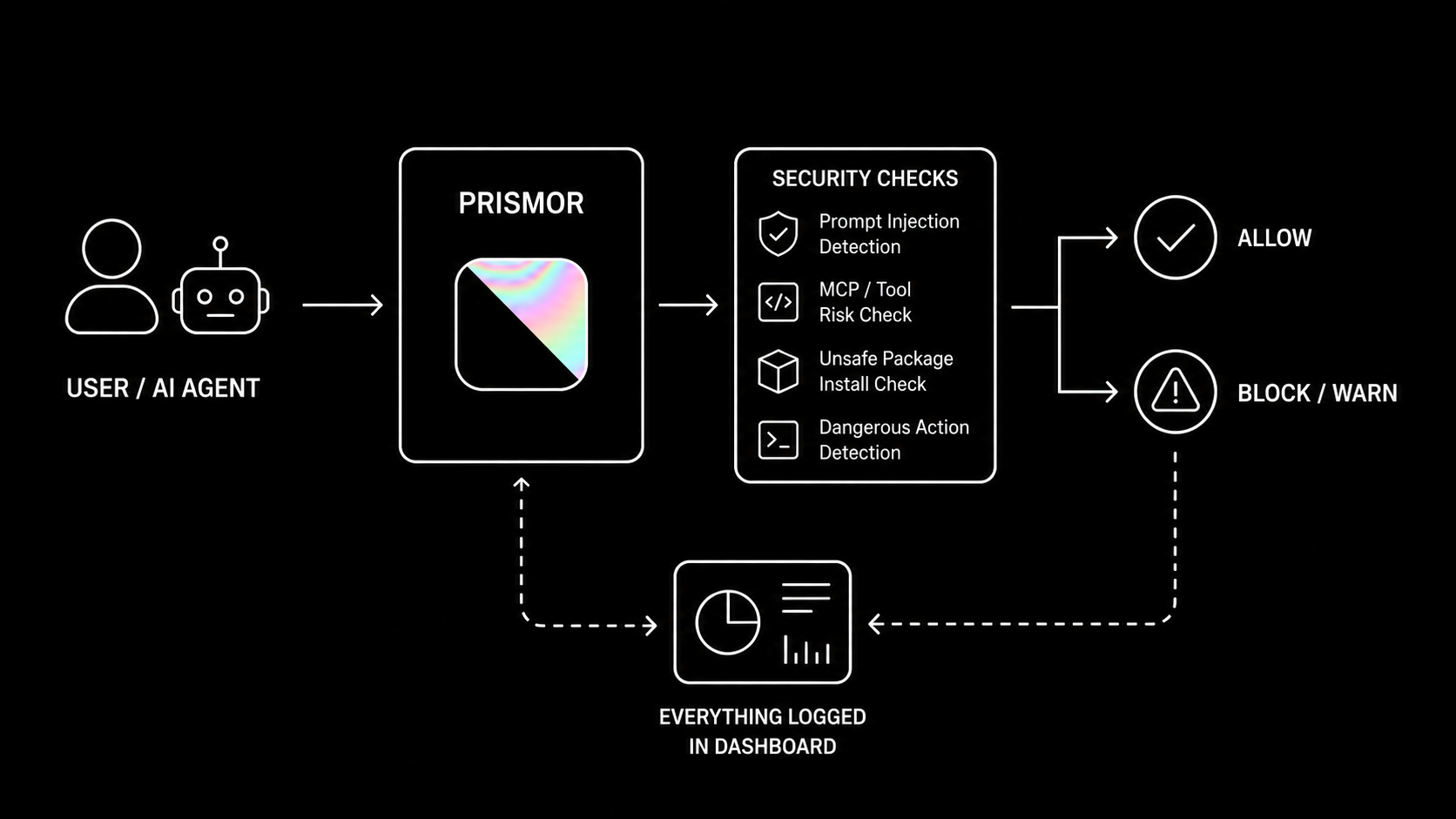
Prismor Gateway cuts zombie MCP bloat
Prismor added MCP footprint tracking and automated idle timeouts to its agent gateway, curbing background process sprawl across long-running developer sessions. The update lets teams dynamically sleep inactive stdio MCP servers and answer discovery queries from cache without breaking active coding agents.
prismormcpai-codingcoding-agentagentdevtoolcliopen-source+8+7+6+5+4+3+2+1
UPDATE// 7h ago
Tesla expands Cybercab to Dallas
Tesla has deployed its purpose-built Cybercab robotaxis in Dallas, making it the second operational city following Austin. Public passengers can hail the steering-wheel-free vehicles via the Tesla Robotaxi app as the company scales its autonomous network.
cybercabteslaroboticsvisioncomputer-useautomation+6+5+4+3+2+1
UPDATE// 7h ago
Delta adds background terminals for agents
Zed's collaborative agent workspace Delta now enables AI agents to launch non-blocking background terminals for long-running commands. Agents can continue working across thread checkouts while commands run and receive asynchronous completion notifications.
deltazedai-codingcoding-agentagentdevtoolide+7+6+5+4+3+2+1
UPDATE// 7h ago
Bolt.new adds five holiday site templates
StackBlitz's browser-based AI web builder released five free holiday-themed templates covering gift guides, e-gift cards, local markets, pre-orders, and thank-you pages. Developers and creators can fork and prompt-customize the production-ready starter layouts directly in the browser without local environment setup.
bolt-newai-codingcoding-agentdevtoolcode-generationno-code+6+5+4+3+2+1
UPDATE// 8h ago
Perplexity brings voice calls to Teammates
Perplexity launched a mobile voice mode for its autonomous Teammates feature on iOS and Android, allowing Max subscribers to manage persistent AI agents via direct phone calls. Users can assign multi-step projects, redirect workflows, and approve decisions hands-free while away from their desks.
perplexityperplexity-teammatesagentvoice-agenttool-usespeech+6+5+4+3+2+1
UPDATE// 8h ago
Convex bumps Node action memory to 2GB
Convex 1.51.0 introduces a beta configuration option that quadruples the memory limit for Node.js actions from 512 MiB to 2048 MiB. The increase enables developers to process heavy media payloads, parse large PDFs, and run intensive data workflows without offloading tasks to external services.
convexdevtoolcloudhosted-serviceapiframework+6+5+4+3+2+1
UPDATE// 8h ago
Claude Code to ship version 2.1.329
Anthropic's terminal-based agentic coding assistant is preparing its 2.1.329 patch, spotted via automated changelog monitors ahead of broad npm distribution. The upcoming release continues rapid iteration on CLI tool execution, workflow stability, and developer session management.
claude-codeai-codingcoding-agentclidevtooltool-use+6+5+4+3+2+1
UPDATE// 8h ago
Devin debuts DoorDash MCP food ordering
Cognition has introduced DevinDash, allowing its autonomous AI software engineer to order food via DoorDash's Model Context Protocol (MCP) server. Teams accepted into the Devin for Startups program can claim $1,000 in DoorDash credits loaded onto their bot during office hours in San Francisco and New York City.
devindevindashmcpagenttool-usecoding-agentautomationai-coding+8+7+6+5+4+3+2+1
UPDATE// 7h ago
OpenClaw fixes embedded agent harness
OpenClaw deployed a patch resolving runtime execution issues in its native embedded agent harness for setups bypassing the Codex plugin. The update targets single-process deployments while external and downstream harnesses catch up.
openclawagentopen-sourcedevtoolframeworklocal-first+6+5+4+3+2+1
UPDATE// 7h ago
Keiki adds 3,000 tools via Monid
Keiki has integrated Monid's API gateway to supply every agent with more than 3,000 preconfigured tools out of the box. Agents deployed across SMS, WhatsApp, and Slack can now run multi-step actions like searching marketplaces, comparing prices, and completing checkouts without custom per-tool setup.
keikimonidagenttool-usedevtoolautomationapi+7+6+5+4+3+2+1
UPDATE// 7h ago
Antigravity ships remote SSH support
Google Antigravity now supports native SSH connections to remote Linux servers, automatically provisioning backend server components without manual installation. The integration allows developers to run persistent agent loops, terminals, and Git worktrees directly on remote compute even after closing their local client.
antigravityai-codingcoding-agentidedevtoolcloud+6+5+4+3+2+1
UPDATE// 9h ago
OpenBot 0.74 drops Team API, MCP upgrades
OpenBot released version 0.74.0 of its local-first desktop workspace for autonomous AI teammates. The update introduces Team API protocol 10, custom MCP headers, voice push-to-talk, and improved fault tolerance for background subagents.
openbotagentcoding-agentai-codingmcplocal-firstdevtool+7+6+5+4+3+2+1
UPDATE// 9h ago
Synara adds multi-account Claude, Codex switching
Synara now supports connecting multiple Claude and Codex accounts with distinct labels and custom colors. Developers can swap accounts in-place during active chats without resetting context, bypassing rate limit interruptions.
synaraai-codingcoding-agentdevtoolopen-sourceclaude-codecodex+7+6+5+4+3+2+1
UPDATE// 9h ago
HeyGen integrates Ideogram 4.6 for avatars
HeyGen integrated Ideogram 4.6 directly into its platform, enabling creators to generate character images and make localized edits like swapping clothing, hair color, or visual styles. The modified images can be animated directly into talking videos using HeyGen's Avatar 6 model.
heygenideogramimage-genvideo-genmultimodal+5+4+3+2+1
UPDATE// 9h ago
Tesseract adds 3D audio for Claude, ChatGPT
Mirage expanded its agent creative suite Tesseract with audio production capabilities, enabling Claude and ChatGPT to generate 3D spatial audio, compose music, and master recordings directly from prompt workflows. The tools let AI agents orchestrate sound design and multi-track audio alongside video and motion graphics inside editable project files.
tesseractmirageaudio-gen3d-genagenttool-usemultimodal+7+6+5+4+3+2+1
UPDATE// 8h ago
Perplexity Context API adds Decider safety filtering
Following feedback from Shopify CEO Tobi Lütke, Perplexity integrated its Decider models into the newly launched Context API to enable safe web fetching for autonomous agents. Developers can now evaluate fetched pages against custom rubrics to detect prompt injections and filter untrusted content before ingestion.
perplexityperplexity-context-apiguardrailsagentragapisecurity+7+6+5+4+3+2+1
UPDATE// 10h ago
Voice Glow drops emotion model, five looks
Libraries.dev updated its React voice visualizer package, voice-glow, with five distinct aesthetic looks alongside a built-in 50 KB text-mood model trained on GoEmotions. The update also introduces audio processing animation states, hover effects, and speech transcript hooks for conversational AI interfaces.
voice-glowvoice-agentdevtoolspeechsdkopen-source+6+5+4+3+2+1
UPDATE// 10h ago
Perplexity Computer adds self-improving agent skills
Perplexity unveiled an automated skill-synthesis engine for Brain, the memory system powering Perplexity Computer, enabling background agents to write and refine reusable skills from user session trajectories. The system detects recurring procedural patterns and execution bottlenecks, cutting tool-call failures by 11% in production testing without manual prompt engineering.
perplexity-computerperplexityagentagent-memorytool-useautomation+6+5+4+3+2+1
UPDATE// 10h ago
Merge Gateway adds Gemini 4 Neon
Merge Gateway has integrated Google's Gemini 4 Neon, allowing developers to route requests to the new mid-tier reasoning model through a single unified control plane. The model sits between Carbon and Hydrogen, scoring 65.4% on CursorBench 4.1 for complex software engineering and agentic workflows.
merge-gatewaygemini-4-neonllmai-codingcoding-agentapidevtoolinference+8+7+6+5+4+3+2+1
UPDATE// 11h ago
TanStack AI adds 3D, motion generation
TanStack AI introduced experimental `generate3DModel()` and `generateMotion()` functions, enabling developers to produce GLB 3D meshes and skeletal animation clips via Fal and Uthana adapters. The update brings type-safe generative game asset pipelines to web applications and game engines like Godot, Unity, and Unreal.
tanstack-ai3d-genmultimodalsdkframeworkdevtoolopen-source+7+6+5+4+3+2+1
UPDATE// 12h ago
Priors embeds agent in chart settings
Personal AI benchmark platform Priors added an in-chart settings agent that modifies visualizations, model filtering, and pricing calculations through natural language prompts. The single-turn agent executes schema-bound adjustments directly against browser chart state without interactive chat overhead.
priorsagenttool-usebenchmarkevaluationdevtool+6+5+4+3+2+1
UPDATE// 12h ago
Merge Agent Handler adds passthrough credentials
Developers can now supply existing user OAuth tokens and API keys via an X-Tool-Auth header during MCP sessions instead of delegating storage to Merge Link. Agent Handler executes the requested tool, strips credentials before logging, and never persists them on its servers.
merge-agent-handlermergemcpagenttool-usesecurityapi+7+6+5+4+3+2+1
UPDATE// 12h ago
OpenBot adds sidebar thread management
OpenBot now supports navigating and managing multi-agent task threads directly within its sidebar. The update gives developers a clear overview of concurrent agent sub-tasks and background sessions without cluttering the primary conversation view.
openbotagentcoding-agentai-codingdevtoollocal-first+6+5+4+3+2+1
UPDATE// 14h ago
Priors adds 3D charts, plan subsidies
Personal AI benchmark index Priors rolled out interactive 3D Pareto frontiers, an in-browser screenshot canvas editor, and provider subscription subsidy calculations. The open-source platform lets developers fit custom benchmark weights against specific model lineups rather than relying on static leaderboards.
priorsbenchmarkevaluationdevtoolopen-sourcellm+6+5+4+3+2+1
UPDATE// 14h ago
Grok Bot 1.2.3 adds granular tool permissions
Grok Bot v1.2.3 introduces fine-grained tool permissions and dedicated connector settings for xAI's autonomous agent platform. Users can now assign tools across four permission tiers to scale agent autonomy without sacrificing security.
grok-botagenttool-useguardrailsautomationdevtool+6+5+4+3+2+1
UPDATE// 14h ago
Stripo debuts AI-customized interactive email widgets
Stripo has launched Email Widgets, offering a library of over 20 pre-built interactive components like quizzes, polls, and scratch cards that render directly inside inbox clients. Users can configure styling, copy, and behavior through conversational AI prompts while automated fallback logic ensures clean display across non-supporting email clients.
stripo-email-widgetsstripono-codedevtoolautomationhosted-service+6+5+4+3+2+1
UPDATE// 21h ago
Alchemy adds formal verification powered by Z3
Alchemy now supports formal verification, allowing developers to define invariants as predicate functions across their domain model for automated correctness proofs.
alchemyformal-verificationz3ai-codingdebuggingdevtool+6+5+4+3+2+1
WEDNESDAY // 2026-11-18
2 itemsNOV 18

PT14M18S
// WATCH
Google's Neon is wild...
+1
Wes Roth

PT25M39S
// WATCH
GPT 6.2 Astra is out!
+2
AI Search